

Compass IoT, a connected vehicle data aggregator, analysed the change in traffic around Wembley Stadium before and during Taylor Swift’s concert in June 2024. When Swift performed, 90,000 fans and several temporary road closures impacted travel times and speeds around the local area. These closures were captured in heatmaps from Compass, showing a clear drop in traffic on key routes during the concerts.
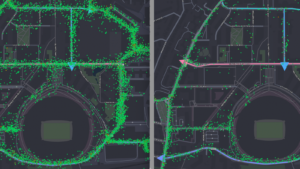
Image 1: Before the Taylor Swift Concert (left) compared to during the concerts and road closures (right).
During the concert weekend, the average vehicle speeds around Wembley Stadium were significantly lower compared to the days leading up to the concert. Wembley Hill Rd and South Way saw the biggest changes, with cars constantly speeding up and slowing down in response to heavy congestion.
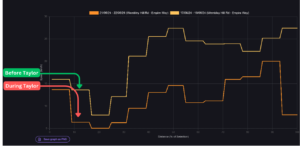
Image 2: A clear visual speed differential on Wembley Hill Rd when comparing Connected Vehicle data before and during the shows.
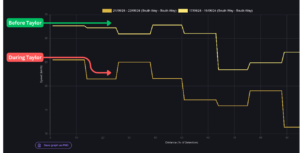
Image 3: While South Way was partially closed during the shows, there is still some traffic data that shows the difference between speeds before and during.
Harsh braking data from Wembley Park Drive, a nearby residential area, showed large variations in speeds, ranging from 5 km/h to 20 km/h, creating a potentially risky situation for pedestrians.
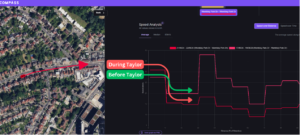
Image 4
Marinos Tsiplakis, General Manager of Compass IoT UK, shared, “This pattern of harsh braking and acceleration is typical of congested conditions. Using speed directly from connected vehicles, we can see a clear difference in the average speeds of surrounding roads during the concert.”
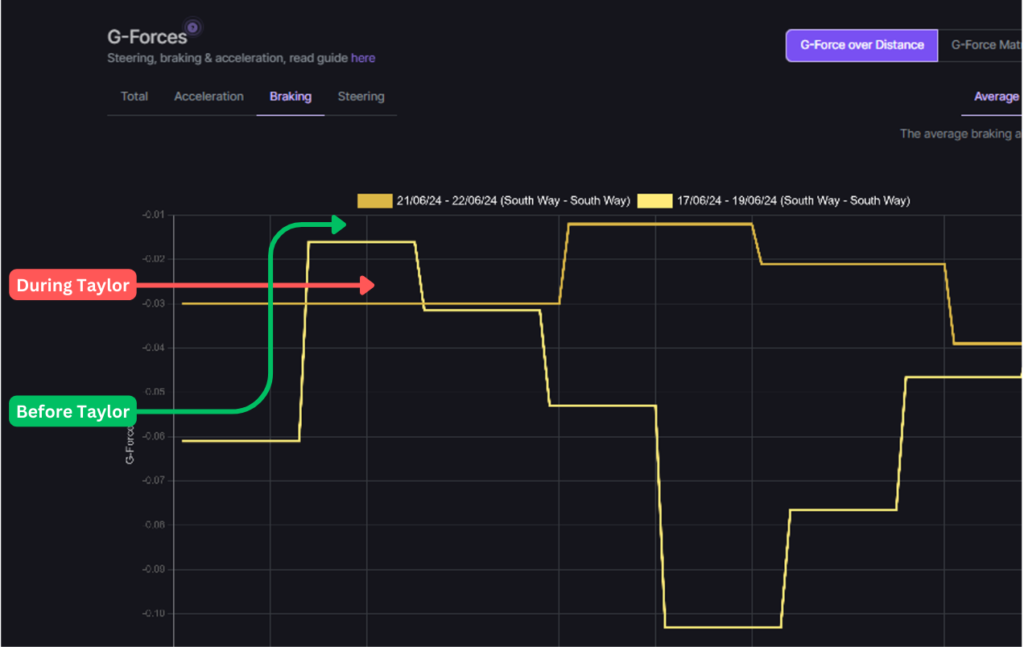
Compass data also showed that drivers were making sharp swerves and sudden stops. On South Way, these intense maneuvers were common on approaching Wembley Stadium, leading to harsh g-force readings.
Compass also determined how far fans travelled to get to Wembley Stadium using Origin-Destination data. The furthest fans travelled from was Birmingham, and the closest was Brent. This data also further showed extended travel times due to the road closures and congestion on surrounding roads.
Connected vehicle data provides an enormous opportunity that hardware or phone-based data cannot: unmatched scale, accuracy and granularity.
Compass IoT is a multi-award-winning connected vehicle data aggregator that uses vehicle-generated data to help transport authorities across Australia, New Zealand, and the United Kingdom understand driver behaviour. Compass provides granular insights such as speeds, braking, swerving, and travel time to support multiple use cases.
Images – Compass IoT