

I am writing this week’s View from the Top’, almost immediately after attending a STREETWISE meeting. The acronym is derived from “Seamless TRavel Environment for Efficient Transport in the Western ISles of Europe” (STREETWISE). I will explain more about what this group, and its attendees, do further into this update.
I have been attending these meetings for almost two years, as part of the work we do to support TTF and DfT. The meeting is restricted to national governments (five in total, one of these is based in Europe), plus major road operators such as National Highways and Transport for London. This week I am going to give you a brief insight into why this group is so important, not just in our industry, but for the wider public.
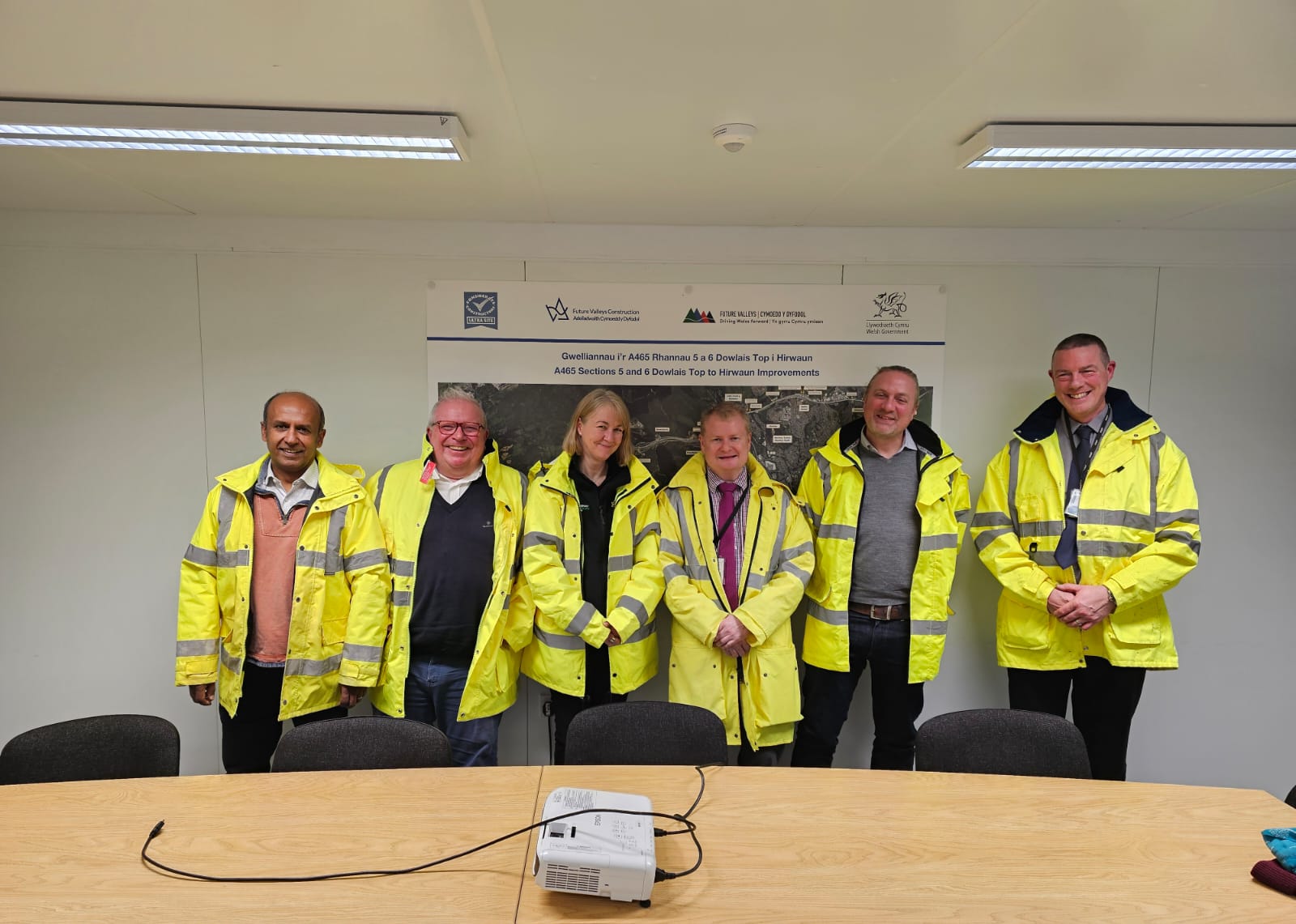 I have written about this brilliant group before. It is made up of representatives from DfT, Welsh Government, Transport Scotland, Department for Infrastructure – Roads, Transport Infrastructure Ireland, Transport for London, and National Highways. The group is restricted to these partners for several reasons including a legal requirement after leaving the EU and ensuring commonality as part of an ITS EU Directive (it’s a more complicated than this, but essentially critical as part of the legal European exit process). The meeting covers; project management progress for remaining collaborative EU projects; an ambition to ensure commonality across borders for the public by sharing national policy interventions (or not); and sharing of good practice and intelligence across ITS and its ever-increasing connected parts.
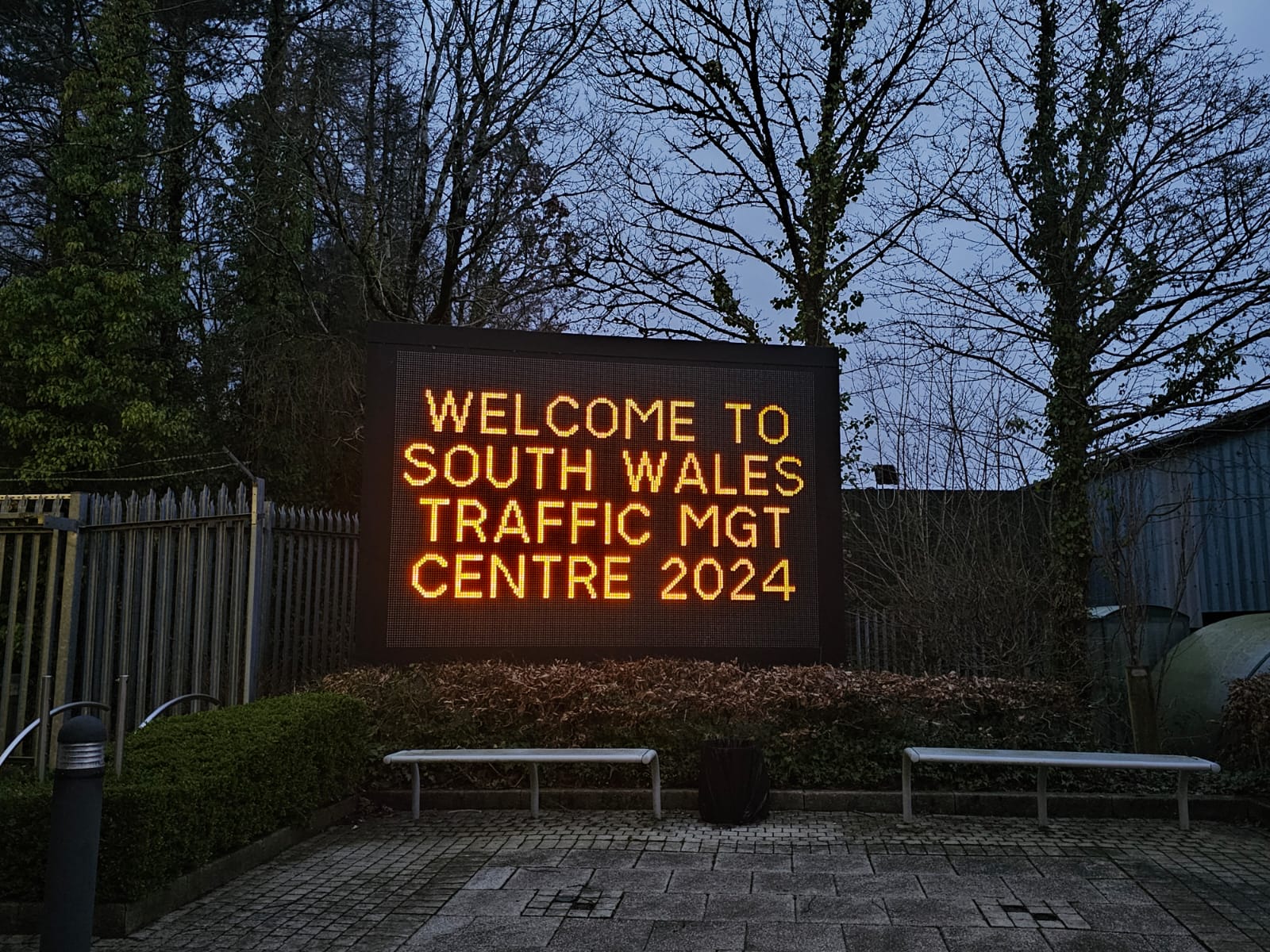
The meetings are always rotated between nations. Last time we were in Cardiff City, it was a rather sadder affair. Just as the meeting ended and people started their journeys back to their respective locations, it was officially announced that the Queen had passed.
This time, a site visit was organised by our Welsh Government colleagues who had arranged for us to visit one of their major infrastructure projects. At the STREETWISE group meetings, for at least a couple times in the year a site visit is organised to share projects or other activities relevant to nations. In the recent past this has included government UTC centre, Autonomous bus project, ITS linked Infrastructure growth around ports, and a brand-new major transport interchange. The importance of bringing site visits into at least a couple of the quarterly meetings, is to allow a free flow of questions and learning in an open and honest environment – with peer challenge along the way! For all other meetings these are optional hybrid.
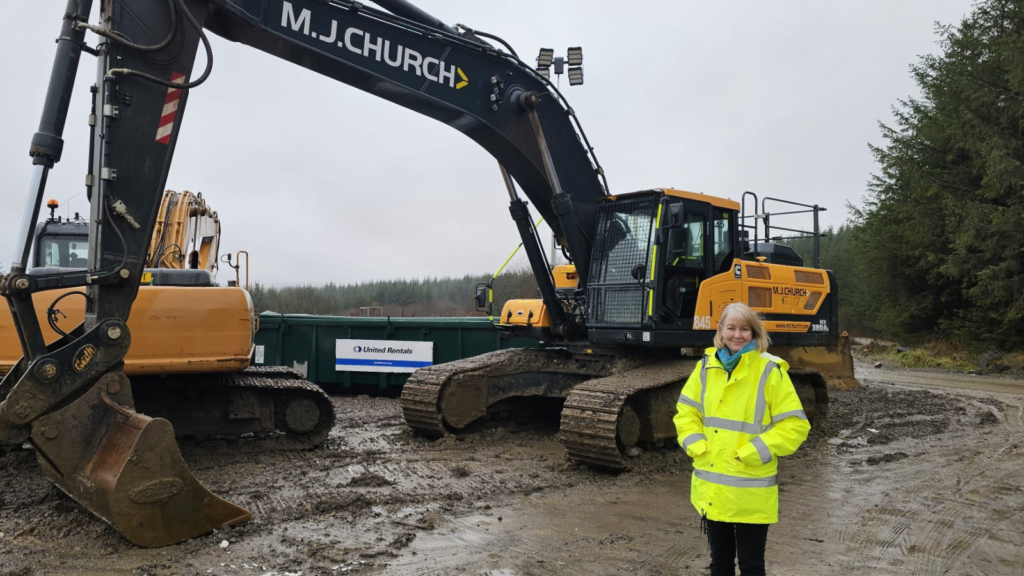
The site visit organised was to visit “The Heads of the Valleys Road upgrade” project, which is an ambitious project stretching over 17.3 KM. Dualling the 17.3km stretch between Dowlais Top and Hirwaun is the biggest road infrastructure project the Welsh Government has ever commissioned (estimated at £590m+), and once finished will help create greater prosperity locally and nationally.
This site visit was different in some ways from previous visits, in that we were treated to seeing the civils road building stage of the process. This allowed the group to ask questions about the proposed ITS plans, but also have conversations around more wide-ranging areas such as surface water management, ecology, wildlife and also managing community impact along with technology that might support a number these areas.
 Although we have a formal part to the regular meetings, it is without a doubt the site visits, the planned themed discussions and discussion around TTF activity that provokes the most dialogue. Latterly, we have started focused discussion sessions, at this meeting we saw presentations from each attendee about their organisation’s plans for decarbonisation but more specifically around transport ITS and the importance of many areas for the general public. The discussions are incredibly important if we are to provide as the group’s acronym suggests – “seamless travel” across borders. Sharing a conversation and dialogue of what each partner is doing is critical to ensure things don’t just stop between borders (or entities) for which the general public would be affected.
Whether its council to council, government to government, road operator to road operator or suppliers to other suppliers or a mixed combination of all of these. Understanding tacit knowledge, (the crucial part of any good practice sharing), almost certainly happens with a conversation, and that’s why at LCRIG, and with our work on TTF, we are huge advocates of creating opportunities for collaborative learning insights.
Paula Claytonsmith, Chief Executive