

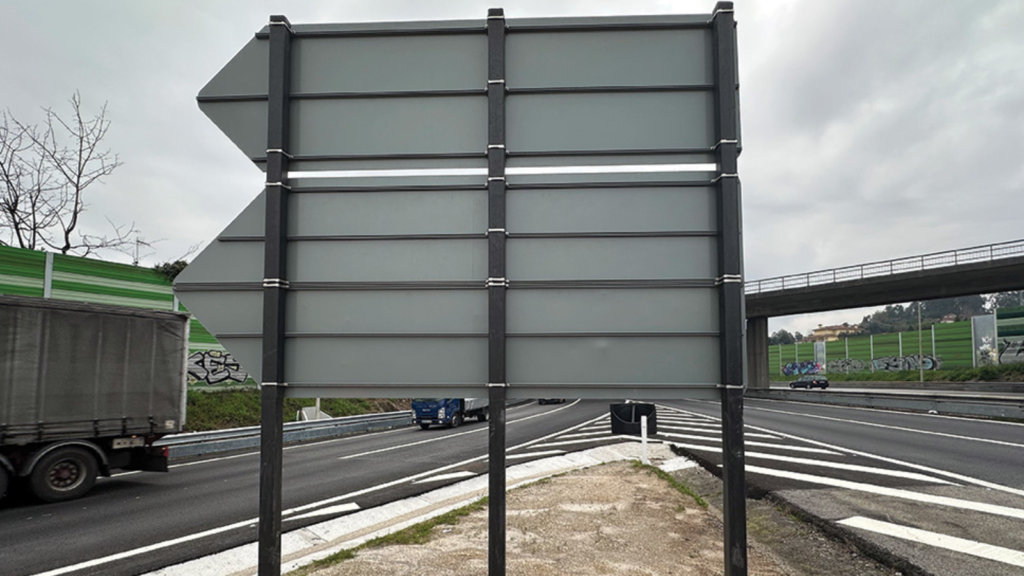
Righton Blackburns explores how advances in passive safety infrastructure are helping the highways sector improve road safety while supporting sustainability goals and reducing whole-life costs.
Roadside sign supports have traditionally been viewed as simple pieces of infrastructure, but advances in passive safety technology are changing that perception. Today’s solutions are expected not only to protect motorists during collisions but also to reduce environmental impact, lower maintenance costs and support whole-life asset management.
EcoPoste® is one example of this new generation of roadside infrastructure.
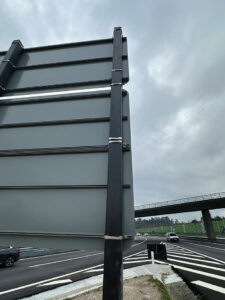 Manufactured from 100% recycled plastic, EcoPoste® is the world’s first sustainable passive safety sign support, combining independently tested safety performance with impressive environmental credentials. Having undergone 14 official European crash tests and more than 50 pre-tests, it exceeds international passive safety standards while helping reduce the severity of roadside impacts and minimising vehicle destabilisation.
Its sustainability story is equally compelling. Every post is manufactured from recycled plastic using a controlled production process that maximises raw material use and minimises waste. The result is a product with an expected 50-year lifespan that resists corrosion, UV degradation and extreme temperatures, reducing maintenance requirements and whole-life costs.
Unlike many traditional alternatives, damaged EcoPoste® posts can also be recovered and recycled, supporting circular economy principles rather than contributing to landfill.
For local authorities and highways contractors, this means infrastructure that delivers on several fronts – improved road safety, lower maintenance demands, reduced environmental impact and better long-term value for taxpayers.
As the industry works towards achieving Net Zero ambitions while maintaining safe and resilient road networks, innovative products such as EcoPoste® demonstrate that safety and sustainability no longer need to be competing priorities.
The future of roadside infrastructure is about delivering smarter solutions that protect people, preserve resources and provide lasting value, and that’s exactly the direction the highways sector is heading.
(Images – Righton Blackburns)
LCRIG shares news, announcements, and press releases from our member organisations. Content remains the responsibility of the issuing organisation and does not necessarily reflect the views or endorsement of LCRIG.