

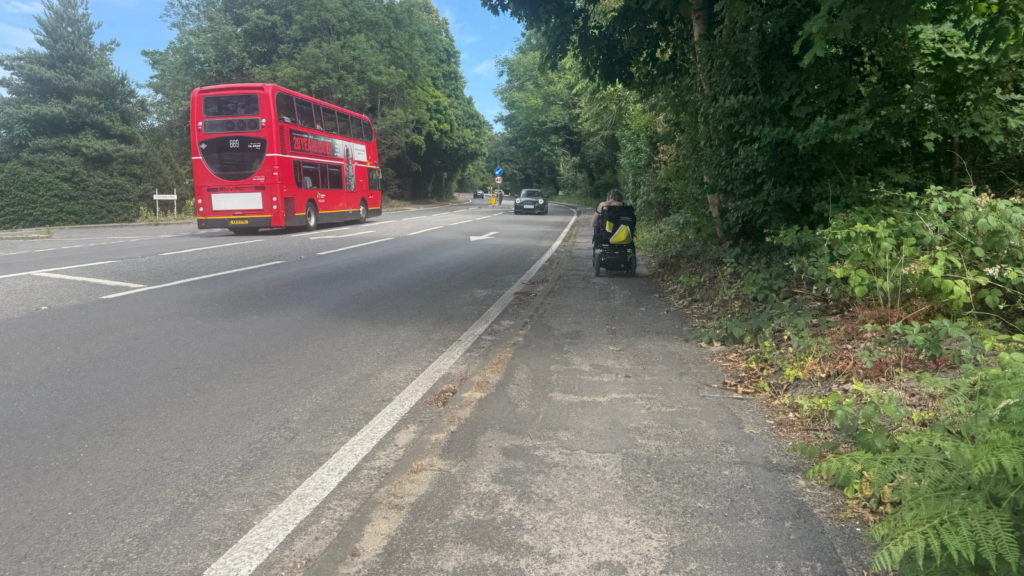
Rhevia has launched Rapid Movement Assessments, a short-term deployment designed to help councils quickly understand how streets, crossings, and temporary layouts are actually being used, and whether risk or congestion is present.
The assessments use privacy-first roadside sensing to observe real pedestrian and vehicle movement over a defined period. Rather than relying on assumptions, complaints, or historic collision data alone, councils receive objective evidence of how a location behaves in practice, what is driving any issues, and whether conditions improve after changes are made.
Rapid Movement Assessments are typically deployed for 6–8 weeks and are suited to:
- Zebra crossings and pedestrian hotspots
- Bus stops and cycle bypasses
- Temporary traffic management and works
- Locations where intervention is being considered or reviewed
Each deployment results in a clear, shareable assessment that explains:
- Whether safety risk, congestion, or inefficiency is present
- When and under what conditions issues occur
- Evidence that can support decisions and demonstrate impact over time
The approach is already being used across multiple UK authorities and has been developed in close collaboration with early-adopter councils and operators.
Rapid Movement Assessments are intended to support evidence-led decision-making, helping councils prioritise action, justify investment, and move beyond reactive or anecdote-driven responses.
For more information or to discuss a deployment, local authorities can contact Rhevia.
(Image – Rhevia)